

For individuals facing tooth loss, dental implants represent a remarkable leap in restorative dentistry. Offering a stable, natural-looking, and highly functional solution, they’ve become the gold standard for replacing missing teeth. However, a question frequently on the minds of prospective patients – and a perfectly valid one, given the investment – is: “How long do dental implants last?” This comprehensive guide delves into the longevity of dental implants, exploring the factors that influence their lifespan and offering crucial insights into how patients can maximize their durability.
The Lifespan of Dental Implants: A Promising Reality
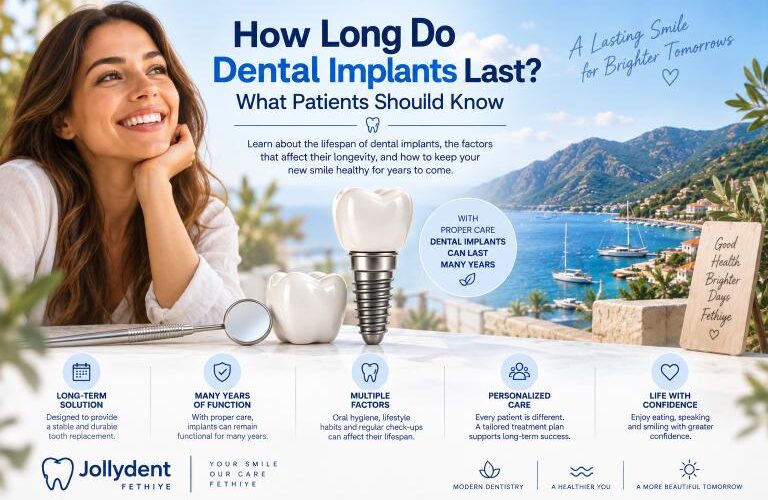
The good news is that dental implants are designed to be a long-term, often lifelong, solution. Unlike traditional bridges or dentures that may require replacement every 5-10 years, the implant itself (the titanium post surgically placed into the jawbone) can potentially last a lifetime with proper care. Studies consistently show very high success rates, often exceeding 95% over 10 years, and many implants remain fully functional for 20 years or more.
Understanding the Components of a Dental Implant
To fully grasp implant longevity, it’s essential to understand its three main components:
- The Implant Body (Fixture): This is the titanium post that fuses with your jawbone through a process called osseointegration. This component is incredibly durable and, once integrated, is designed to last indefinitely.
- The Abutment: A connector piece that sits on top of the implant body and holds the prosthetic tooth. Abutments are also very strong but can sometimes require replacement if they become loose or damaged.
- The Crown (Prosthetic Tooth): This is the visible part of the implant, typically made of porcelain or ceramic, designed to mimic your natural tooth. While durable, crowns are subject to the same wear and tear as natural teeth and may need replacement after 10-15 years, or sometimes even longer, depending on material and oral habits.
Therefore, when discussing “how long dental implants last,” it’s often the crown that might need attention before the implant body itself. The foundation – the implant and its integration with your bone – is built for enduring strength.
Factors Influencing Dental Implant Longevity
While dental implants are inherently robust, several critical factors significantly influence their lifespan. Understanding these can empower patients to take proactive steps for lasting success.
Oral Hygiene and Maintenance
This is arguably the most crucial factor. Just like natural teeth, implants are susceptible to bacterial plaque accumulation. Poor oral hygiene can lead to peri-implantitis, an inflammatory condition similar to gum disease that can cause bone loss around the implant, ultimately leading to implant failure.
- Brushing: Brush twice daily with a soft-bristled brush.
- Flossing: Daily flossing or use of interdental brushes is essential to clean around the implant and under the crown.
- Regular Dental Check-ups: Professional cleanings and examinations (typically every six months) are vital for monitoring implant health and addressing any issues early.
Lifestyle Choices
Your daily habits play a significant role in the long-term success of your dental implants.
- Smoking: Smoking is a major risk factor for implant failure. It constricts blood vessels, impairing healing and reducing blood flow to the gums and bone, making implants more vulnerable to infection and bone loss.
- Alcohol Consumption: Excessive alcohol intake can also affect healing and overall oral health, potentially impacting implant longevity.
- Diet: While implants are strong, avoiding excessively hard or sticky foods can prevent damage to the prosthetic crown.
Overall Health and Medical Conditions
Systemic health can directly impact oral health and, by extension, implant success.
- Diabetes: Poorly controlled diabetes can compromise healing and increase susceptibility to infections, posing a risk to implants.
- Osteoporosis: This condition, which weakens bones, can affect the bone density required for successful osseointegration.
- Autoimmune Diseases: Certain conditions and medications can affect bone metabolism and the body’s ability to heal.
- Medications: Some medications, particularly bisphosphonates, can impact bone health and implant success. Always inform your dentist about all medications you are taking.
Quality of the Implant and Surgical Expertise
The foundation of a long-lasting implant lies in its initial placement and the quality of the materials used.
- Implant Material and Brand: High-quality titanium implants from reputable manufacturers tend to have better success rates and longevity.
- Surgeon’s Skill and Experience: A highly skilled and experienced oral surgeon or periodontist ensures precise placement, optimal bone integration, and minimizes complications.
- Bone Density and Quality: Adequate bone volume and density are crucial for stable implant placement. Bone grafting may be necessary if bone quality is insufficient.
Location of the Implant
The position of the implant in your mouth can also influence its lifespan.
- Implants in the front of the mouth, which experience less biting force, may last longer than those in the back (molars), which bear significant chewing pressure.
- However, modern implant designs and materials are robust enough to withstand forces in all areas of the mouth, provided proper care is maintained.
What to Expect: Signs of Potential Issues
While rare, it’s important to be aware of signs that might indicate a problem with your dental implant. Early detection and intervention can often prevent more serious complications.
- Pain or Discomfort: Persistent pain, especially when biting or chewing, should be evaluated.
- Swelling or Redness: Inflammation around the implant site can be a sign of infection (peri-implantitis).
- Gum Recession: If the gum tissue around the implant starts to recede, exposing the implant body, it warrants immediate dental attention.
- Implant Mobility: A healthy implant should feel absolutely solid. Any sensation of movement or looseness is a serious concern and requires urgent professional assessment.
- Difficulty Chewing: Changes in your bite or discomfort during chewing can indicate an issue.
Maximizing Your Investment: Tips for Extending Implant Life
Your dental implants are a significant investment in your oral health and quality of life. By adhering to a few key practices, you can significantly contribute to their long-term success:
- Commit to Meticulous Oral Hygiene: Brush, floss, and use mouthwash as recommended by your dentist. Treat your implants with the same, or even greater, care as your natural teeth.
- Maintain Regular Dental Check-ups: Don’t skip your bi-annual professional cleanings and examinations. Your dentist can spot potential issues before they become major problems.
- Avoid Harmful Habits: Quit smoking, limit alcohol, and avoid using your teeth as tools to open packages or bite hard objects.
- Protect Against Grinding/Clenching (Bruxism): If you grind or clench your teeth, especially at night, your dentist may recommend a nightguard to protect your implants and natural teeth from excessive force.
- Address Issues Promptly: If you notice any pain, swelling, or changes around your implant, contact your dentist immediately.
Conclusion
The question, “How long do dental implants last?” has a resoundingly positive answer: with proper care, they can last for decades, often a lifetime. They offer an unparalleled blend of aesthetics, function, and durability, making them a truly transformative solution for tooth loss. By understanding the factors influencing their longevity and committing to diligent oral hygiene and regular professional care, patients can look forward to enjoying the benefits of their dental implants for many years to come.